
What does this career involve?
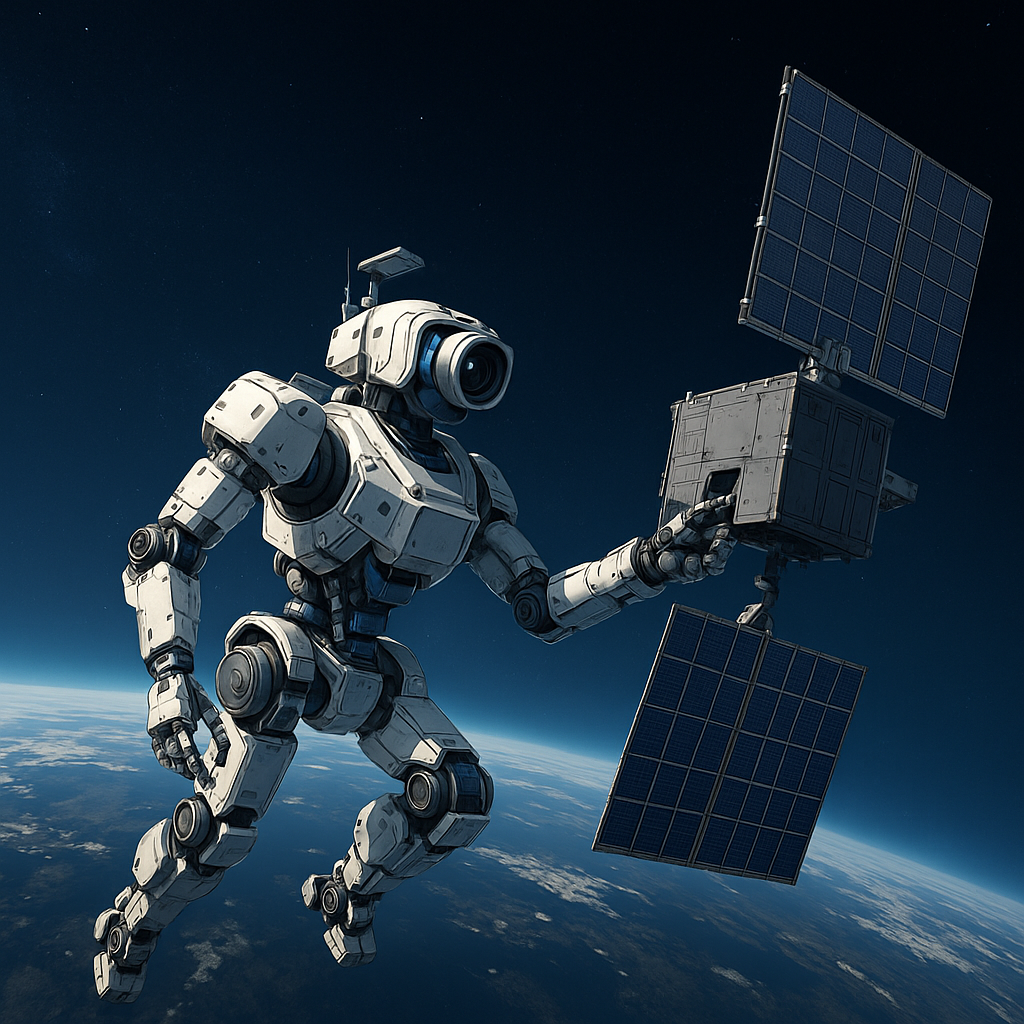
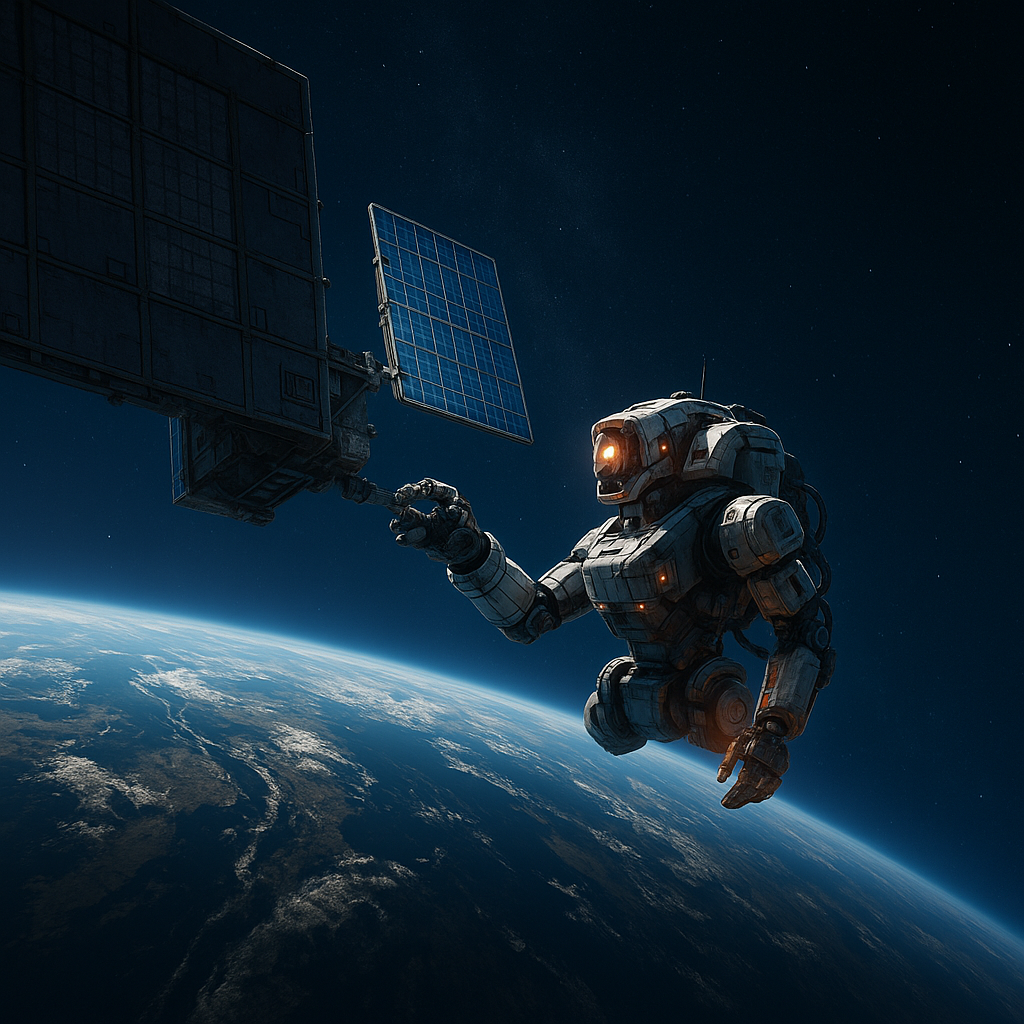
Orbital robotics engineers design machines that work in orbit without a person nearby: spacecraft that dock with a satellite to refuel it or move it, arms that grip a tumbling object, and systems that could one day assemble large structures or manufacture materials in microgravity. The engineering has to cope with vacuum, extreme temperature swings, radiation and a communication delay to the ground, so the robot must handle much of the task on its own.
Why is this a future career?
In development, not yet in service (autumn 2026). The first commercial docking with a satellite happened in 2020, extending its working life. Astroscale, at Harwell in Oxfordshire, is building a spacecraft to capture and remove a dead satellite, though its launch has slipped to 2028 at the earliest. Space Forge in Cardiff launched the UK’s first in-space manufacturing satellite in 2025. Routine servicing, assembly and manufacturing in orbit do not yet exist; this is the job that would make them normal.
Skills for this career
Related Technologies of the 4IR
Robotics
Artificial Intelligence

3D Printing
Autonomous Vehicles

The Reality Continuum (AR/VR)
Where to start
Maths, physics and design and technology are the ones to focus on, with computing for the software side. Routes in include an apprenticeship or a degree in mechanical, robotics or aerospace engineering.