
What does this career involve?
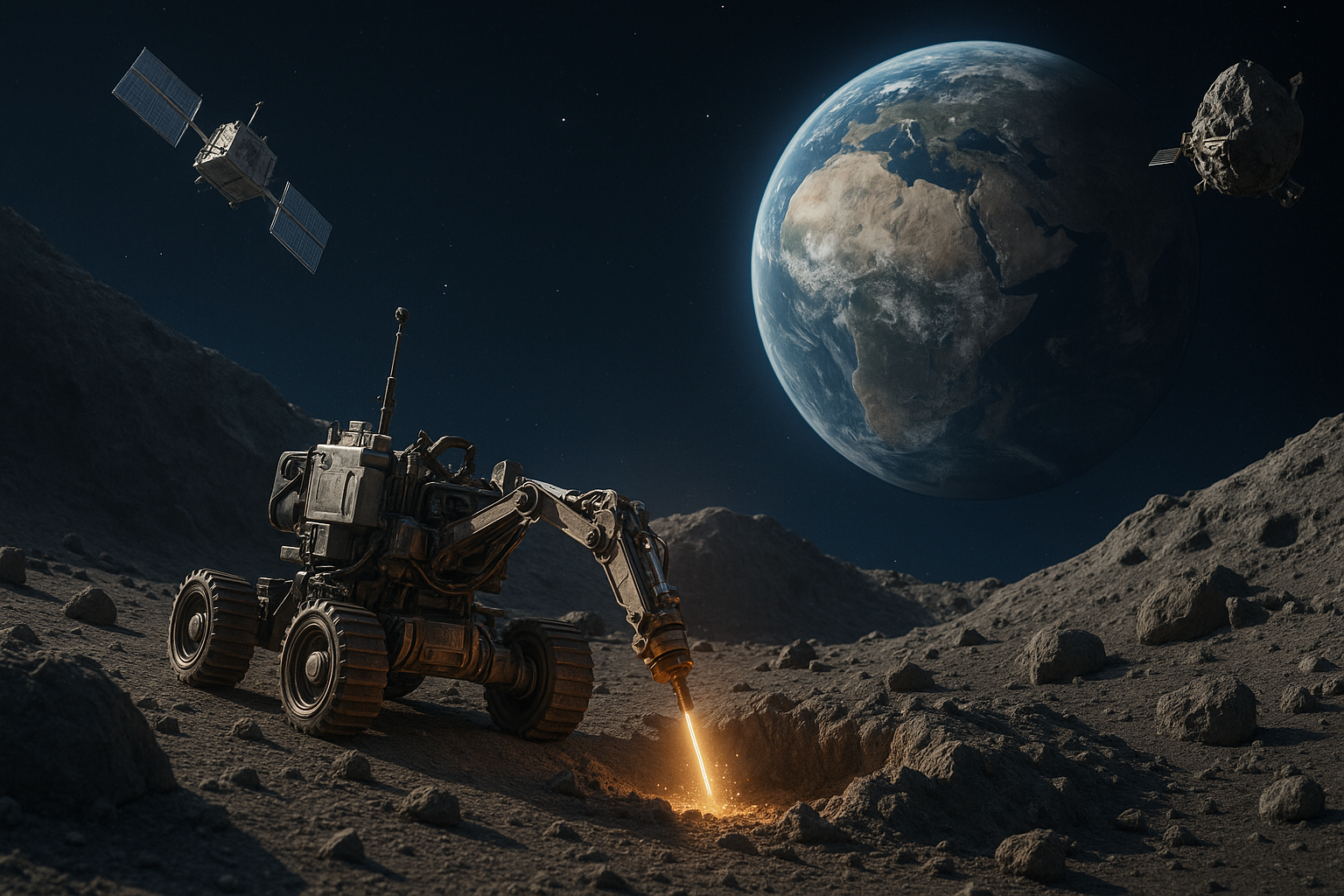
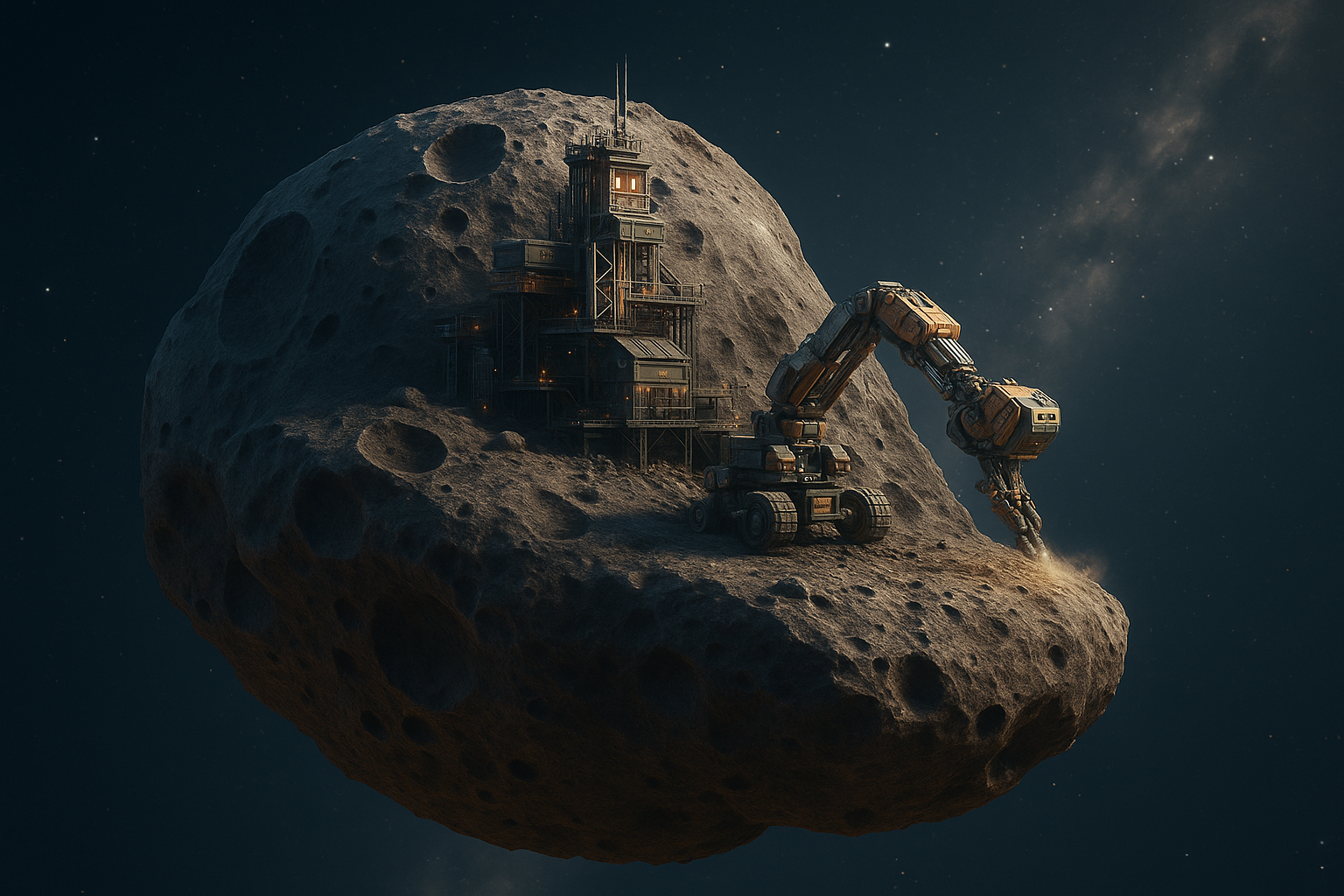
Space mining engineers design equipment that can find and extract useful material off Earth: water ice from shadowed craters at the lunar poles, oxygen from Martian air or lunar rock, and metals from asteroids. The first goal is not to bring anything home. It is to make fuel, air and building material where they are needed, so that missions do not have to carry everything from Earth. The field is known as in-situ resource utilisation, or ISRU.
Why is this a future career?
Not yet: decades away (autumn 2026). Nothing has been mined in space. The largest asteroid sample ever returned weighed about 120 grams, in 2023, and a NASA experiment on Mars made a total of 122 grams of oxygen from the atmosphere over two years. Those are the proofs of concept. Doing it at the scale a base would need is an engineering problem no one has solved, which is exactly why it belongs on this list.
Skills for this career
Related Technologies of the 4IR
Robotics
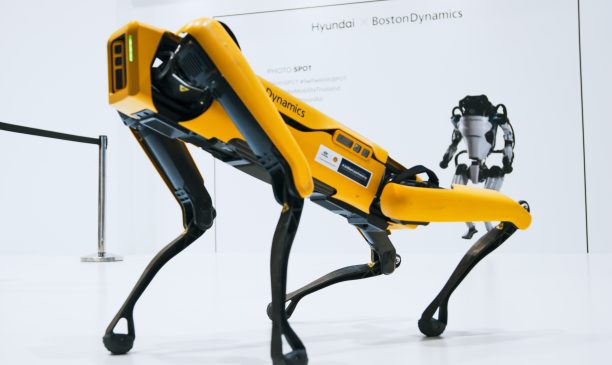
Autonomous Vehicles

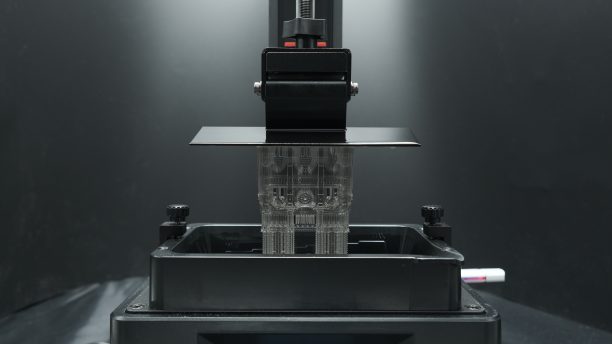
3D Printing
Artificial Intelligence

Big Data and Predictive Analytics

Where to start
Maths, physics, chemistry and geography or geology all feed into this. Routes in include a degree in mining, mechanical or aerospace engineering, or in geology, followed by postgraduate research.