
What does this career involve?
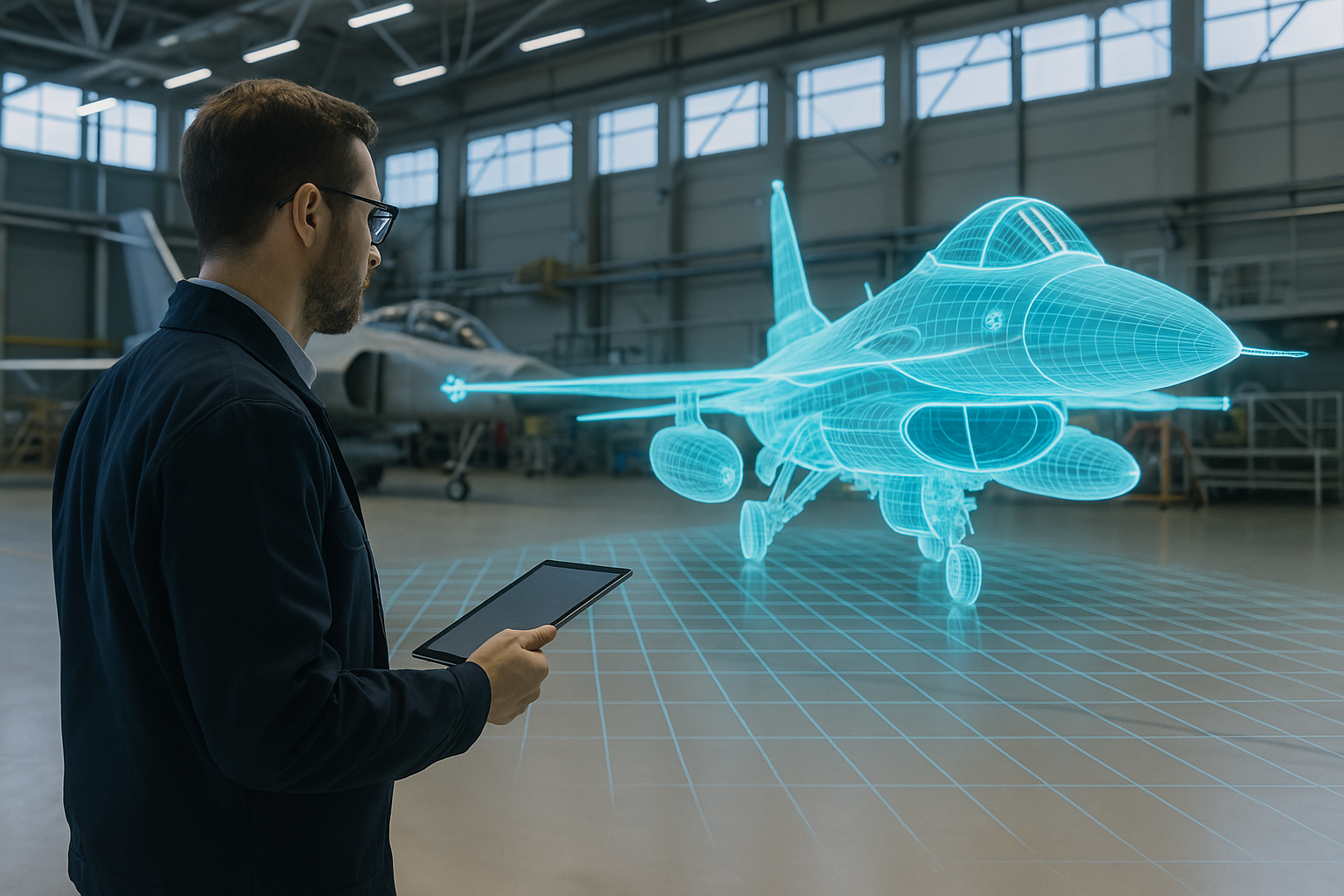
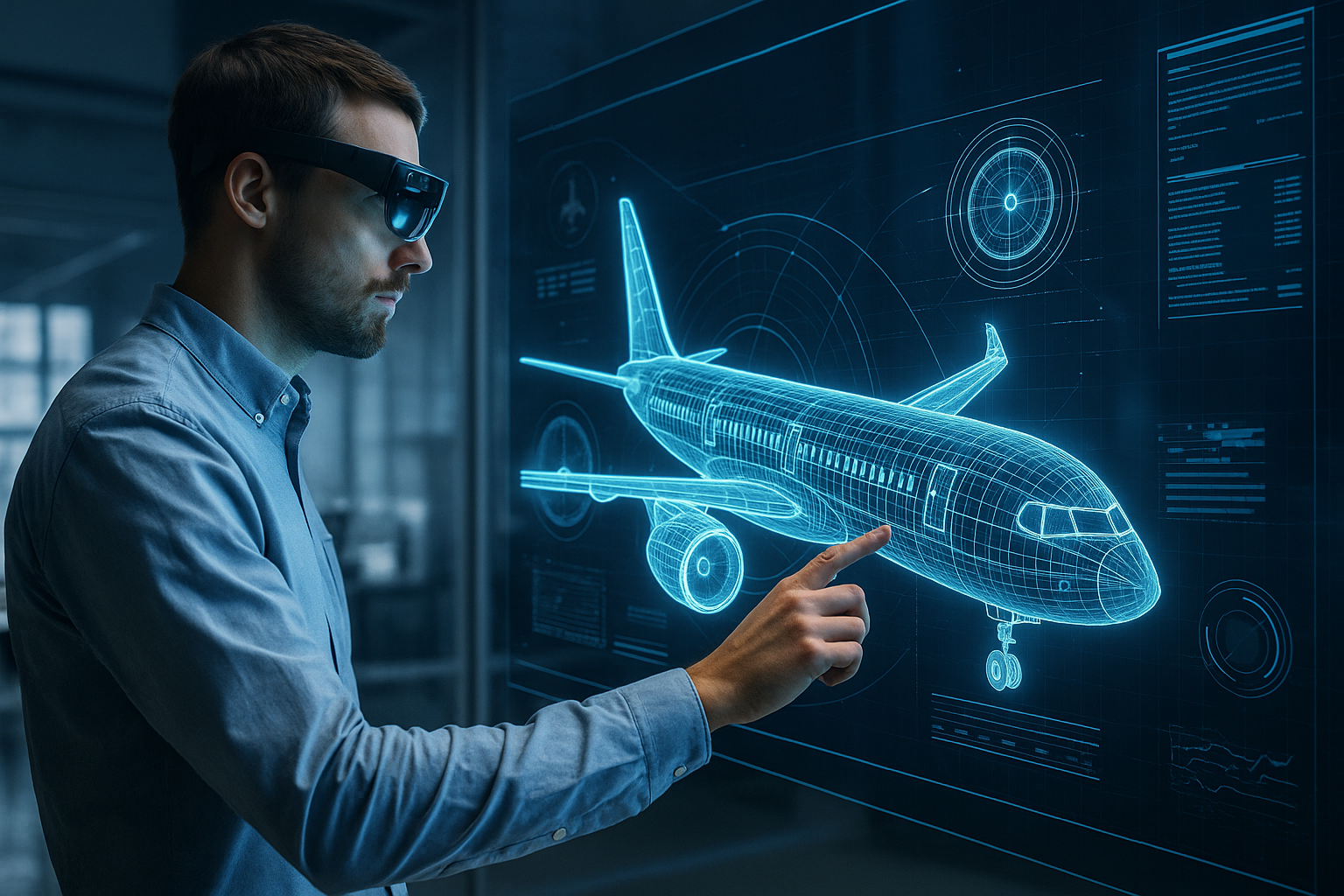
A digital twin is a computer model of a real machine, kept in step with it using data from sensors. Digital twin engineers build those models, connect them to live data from the aircraft or engine, and use them to answer questions: which part will wear out first, what happens if this route is flown in colder air, when should this engine come off the wing. The job sits between aerospace engineering, data science and software.
Why is this a future career?
New role, taking on people now (autumn 2026). Digital twin is already a job you can search for: UK job boards list dozens of roles with it in the title or description, in aerospace, energy, construction and other sectors, and it barely existed ten years ago. What is still to come is the twin of a whole fleet or an entire airport, updated continuously and trusted enough to act without a person checking. That is where this career is heading.
Skills for this career
Related Technologies of the 4IR
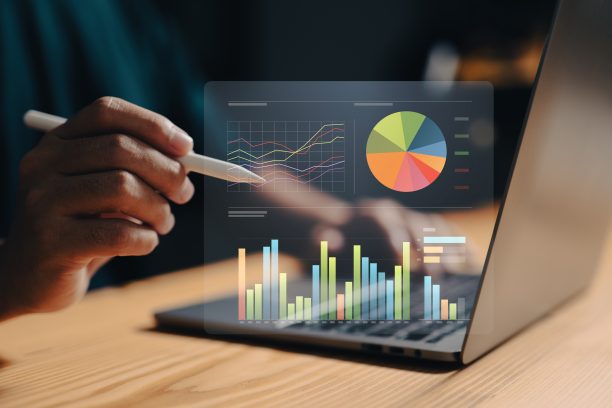
Big Data and Predictive Analytics
Internet of Things (IoT)
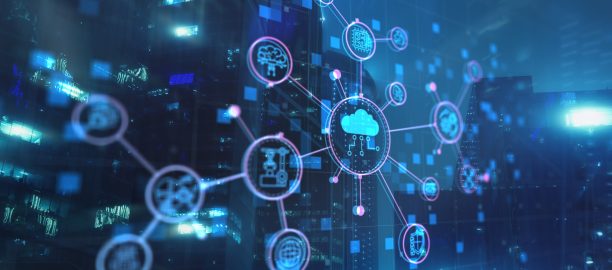
Cloud Computing and Edge Computing
Artificial Intelligence
The Reality Continuum (AR/VR)
Where to start
Maths and computing are the core subjects, with physics close behind. Routes in include a degree apprenticeship in software or data engineering, or a degree in aerospace engineering, computing or data science.