
What does this career involve?
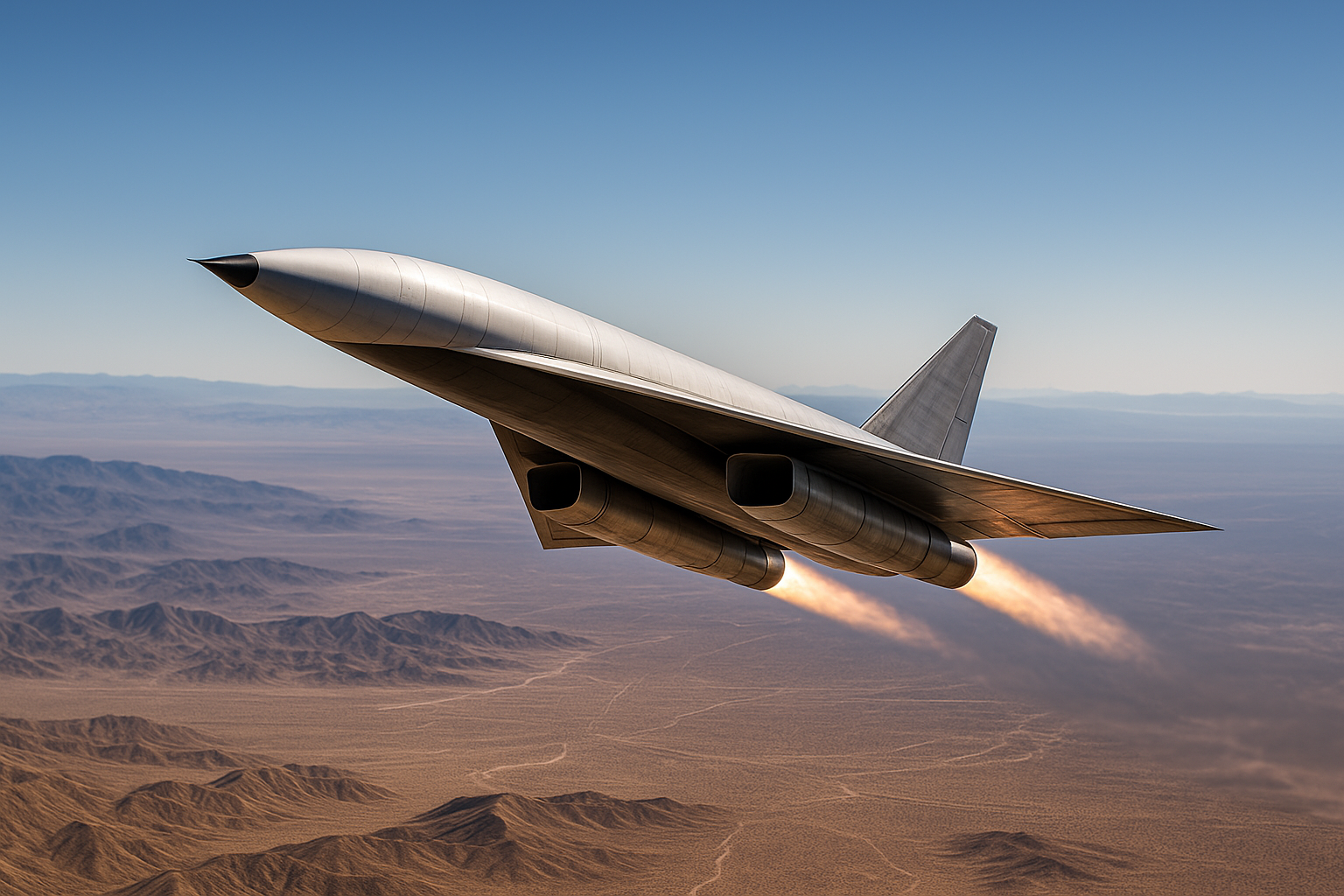
Hypersonic means faster than Mach 5, five times the speed of sound. At that speed a normal jet engine cannot work, so hypersonic propulsion engineers develop scramjets, which burn fuel in air that is itself moving faster than sound, along with the cooling systems and materials that stop the vehicle melting. The work combines combustion science, the physics of airflow, materials and a great deal of testing in wind tunnels and on the ground.
Why is this a future career?
In development, not yet in service (autumn 2026). No hypersonic aircraft carries passengers or cargo. The longest scramjet-powered flight on record lasted 210 seconds, in 2013. Most hypersonic work today happens in universities, research labs and defence programmes; the civil uses, from reusable space launch to very fast long-distance flight, are further off. Anyone entering this field should expect research, not a production line, for some years yet.

Skills for this career
Related Technologies of the 4IR
Nanotechnology

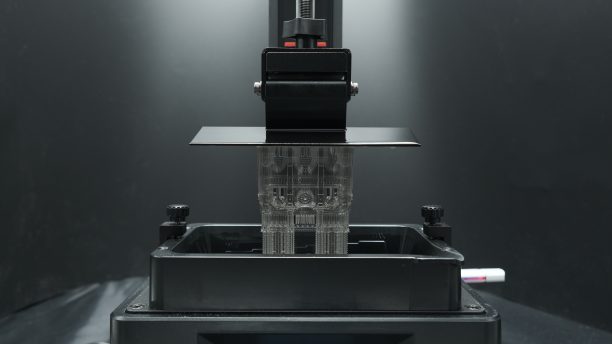
3D Printing
Big Data and Predictive Analytics

Artificial Intelligence

Cloud Computing and Edge Computing

Where to start
Maths, physics and chemistry are the subjects to hold on to. The usual route is a degree in aerospace or mechanical engineering, then postgraduate research, because most hypersonic work is still research.