

Sustainable Flight
Flying connects the UK to the rest of the world, and it comes with a cost the industry is not ignoring: around 2.5% of global carbon dioxide emissions. Aviation has committed to reach net zero by 2050, and the work is already under way. Much of it will be finished by people who are in school today.
Why this matters
In 2020, the UK’s aviation industry became the first in the world to commit to reaching net zero carbon emissions by 2050. Getting there is one of the largest engineering challenges the industry has ever taken on. New fuels, new aircraft and new ways of operating all have to arrive together, and most of the people who will deliver them have not started their careers yet.
Sustainable aviation fuel is already flying, blended into the fuel supplied at UK airports.
Each new generation of aircraft burns less fuel than the one it replaces.
More direct routes, modernised airspace and efficient airport procedures cut emissions now.

Around 2.5%
Aviation’s share of global carbon dioxide emissions. Smaller than many people expect, but set to grow without action, which is why the industry is acting now. Source: Our World in Data.

Net zero by 2050
In 2020, UK aviation became the first national aviation industry in the world to commit to net zero carbon emissions. Source: Sustainable Aviation.

10% by 2030
The share of UK jet fuel that must be sustainable aviation fuel by 2030 under UK law, rising to 22% by 2040. Source: Department for Transport.

Up to 80%
The lifecycle carbon saving sustainable aviation fuel can deliver compared with fossil jet fuel, depending on what it is made from. Source: IATA.

Four routes to cleaner flight
No single fix gets aviation to net zero. These four areas together do most of the work.
Sustainable Aviation Fuel (SAF)
Fuel made from waste, used cooking oil and other non-fossil sources. It works in today's engines and can cut lifecycle carbon emissions by up to 80%.
New aircraft, less fuel
Lighter materials, better aerodynamics and more efficient engines. The next generation of aircraft is expected to burn around 25% less fuel than the aircraft it replaces.
Smarter operations
More direct flight paths, continuous descents and taxiing on one engine save fuel on every flight, using aircraft that are already in service.
Operational Efficiency
The white trails aircraft leave behind can warm the atmosphere too. Researchers are testing small changes to routing that could avoid the conditions that create them.


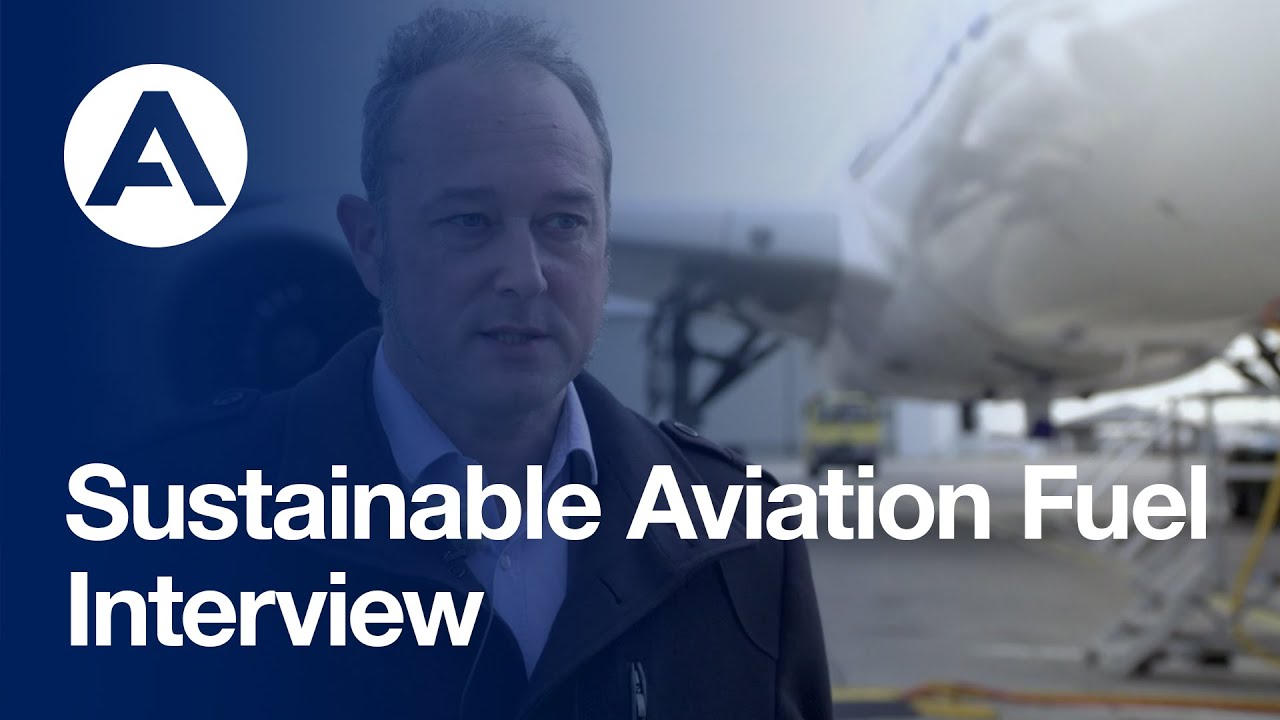
Sustainable fuel, explained
Short introduction to sustainable aviation fuel: what it is made from, how it reaches an aircraft, and why it matters for the industry’s net zero target.

More themes to explore
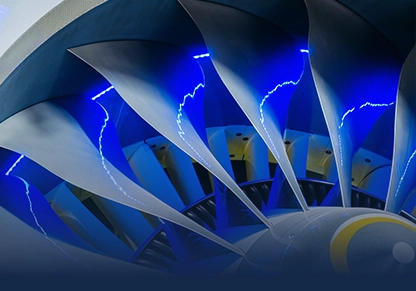
Future Propulsion
Hydrogen, electric flight and radical new engine designs, and what it takes to prove they are safe to fly.
Explore theme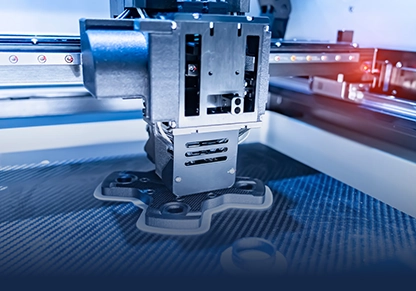
Advanced Materials and Manufacturing
Carbon fibre, 3D printing and robot-built wings: how aircraft are made lighter, stronger and faster to build.
Explore theme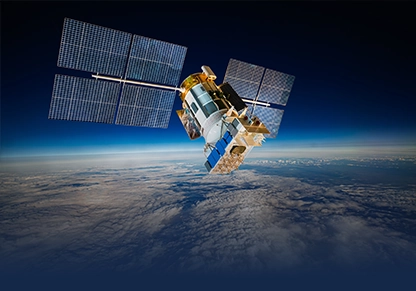
Space and Satellites
The satellites behind daily life, the UK teams that build them, and the spaceports preparing to launch from home soil.
Explore theme
Industry leading the work

GKN Aerospace

Hybrid Air Vehicles

Read more about cleaner flight