
Space and Satellites
Satellites sit quietly behind everyday life: the map on a phone, the morning forecast, the card payment, the live broadcast. This theme looks at how satellites are built and launched, what they tell us about a changing planet, and the UK’s growing part in both.
Why this matters
Space can feel a long way off, but most people in the UK use it before breakfast. Satellites carry the timing signals behind card payments, the positioning behind maps and deliveries, the links behind live broadcasts, and the observations behind every weather forecast. They are also how we measure a changing planet: ice sheets, oceans, forests and the atmosphere, watched from orbit year after year. None of it is visible from the ground, which is why it is so easy to take for granted.
The UK’s part in this is practical and growing. British engineers design and build complete satellite missions; the small satellite industry itself was pioneered in Guildford, and Glasgow now builds more small satellites than any other European city. Licensed spaceports in Cornwall and Shetland are preparing to send satellites into orbit from home soil for the first time. More than 55,000 people already work in the UK space sector, and it is still short of the engineers, scientists and technicians it needs. The people who will close that gap are in school now.
Navigation, weather forecasting, broadcasting and card payments all rely on satellites.
Complete satellite missions are designed and built here, from Guildford to Glasgow.
Licensed UK spaceports are getting ready to send satellites into orbit from home soil.

£454 billion
The value of UK economic activity supported by satellite services each year, close to a fifth of GDP. Navigation, weather forecasting, communications and Earth observation all depend on spacecraft overhead. Source: UK Space Agency.

55,550 people
Direct employment in the UK space sector, up 7% in the most recent year measured, with a further 81,400 jobs supported across the supply chain. Source: UK Space Agency.

First in Western Europe
In December 2023 the Civil Aviation Authority licensed SaxaVord in Shetland as the first fully licensed vertical launch spaceport in Western Europe, cleared for up to 30 launches a year. The first vertical launch from British soil is now in preparation there. Source: Civil Aviation Authority.

1.2 million
The estimated number of debris objects larger than one centimetre now in orbit, alongside around 40,000 tracked objects. At orbital speeds even a fragment can disable a satellite, which is why space sustainability has become a discipline in its own right. Source: European Space Agency.
The space sector in four parts
The work behind this theme falls into four connected areas, and every one of them is hiring.
Small, capable and quick to build
Modern small satellites do jobs that once needed spacecraft the size of a bus, at a fraction of the cost. The field was pioneered in the UK: SSTL flew its first satellite in 1981, and Glasgow now builds more small satellites than any other European city.
Measuring the planet from orbit
Satellites track ice sheets, forests, floods, crops and even individual methane leaks. Much of the evidence behind climate science is gathered from space, which makes Earth observation one of the most useful jobs a spacecraft can do.
Rockets from British soil
Cornwall hosts horizontal launch, where a carrier aircraft releases a rocket at altitude; Shetland hosts vertical launch, straight up from the pad. The first attempt to put a satellite into orbit from a British launch pad is being prepared in Shetland now.
Keeping orbits usable
Every working satellite shares space with debris from nearly seventy years of launches. Tracking objects, dodging collisions and removing dead spacecraft is a fast-growing field, and British teams are among those designing missions to do it.


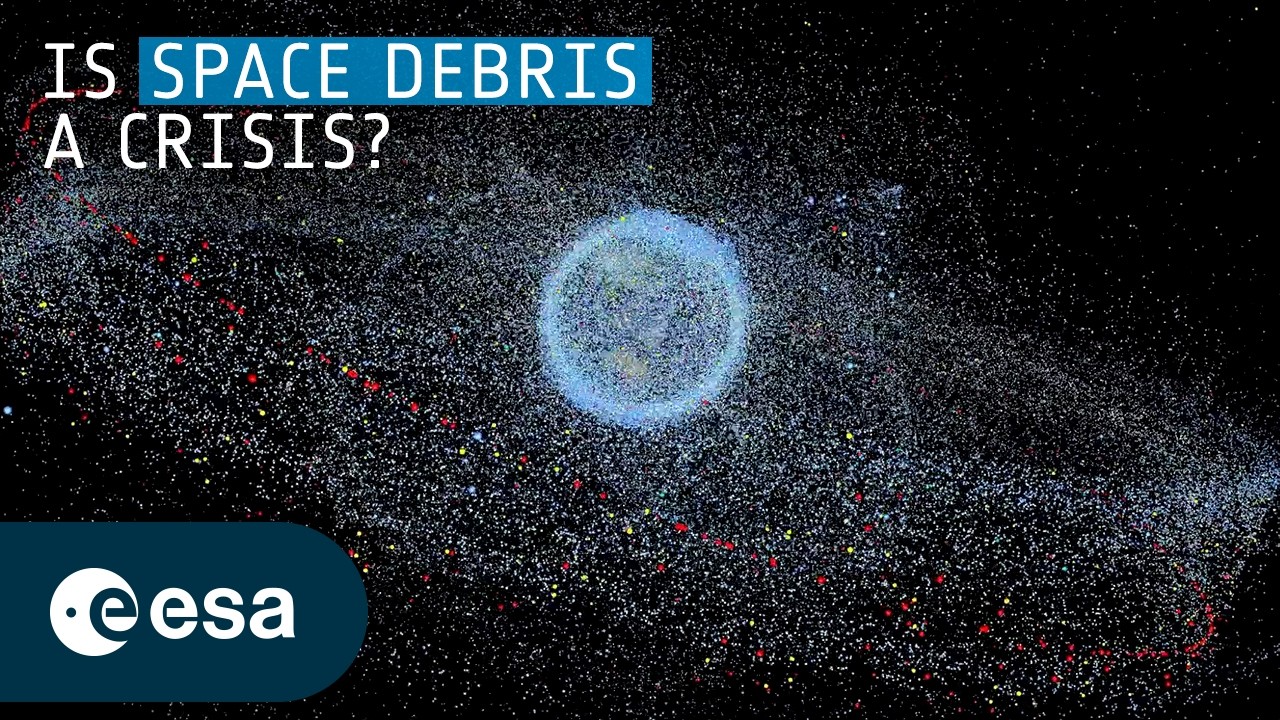
Is space debris a crisis?
The European Space Agency’s short film on the state of Earth’s orbits: what is up there, how it got there, and the work now under way to keep space usable.

More themes to explore
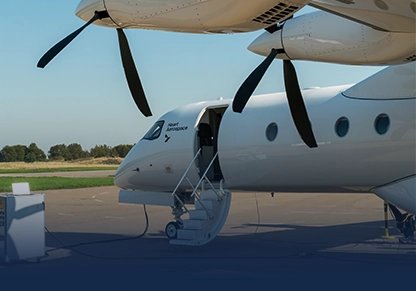
Sustainable Flight
How flying gets to net zero: new fuels, new aircraft and smarter operations, and the people making it happen.
Explore theme
Autonomy, Drones and Robotics
Aircraft with no one on board, robots that walk into danger, and the people behind every uncrewed machine.
Explore theme
Digital Aviation and Simulation
Aircraft designed in software and pilots trained in simulators: the digital work behind everything that flies.
Explore theme
Industry leading the work

Surrey Satellite Technology

SaxaVord Space Port

Read more about space and satellites