
What does this career involve?
Airspace systems architects decide how the pieces of an air traffic system fit together: the data that tracks every aircraft, the software that predicts conflicts, the rules that decide who gives way, and the tools controllers use. The future version of the job adds thousands of drones and air taxis to that picture, most of them flying at low level over towns, where today’s system barely looks.

Why is this a future career?
In development, not yet in service (autumn 2026). Much of the UK’s airspace was designed in the 1950s for around 200,000 flights a year; it now handles almost two and a half million. A national programme to redesign it is under way, and separate work is under way on letting drones fly beyond their pilot’s sight and on fitting air taxis into airspace shared with airliners. Bringing those together into one system is this job.

Skills for this career
Related Technologies of the 4IR
Artificial Intelligence

Big Data and Predictive Analytics

5G Technology

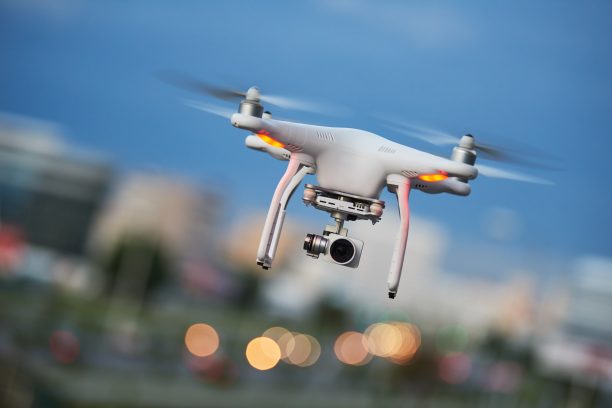
Drones
Cloud Computing and Edge Computing

Where to start
Maths, physics and computing matter most. Routes in include an apprenticeship or degree in software, electronic or aerospace engineering, or training as an air traffic controller and moving into systems work later.