
What does this career involve?
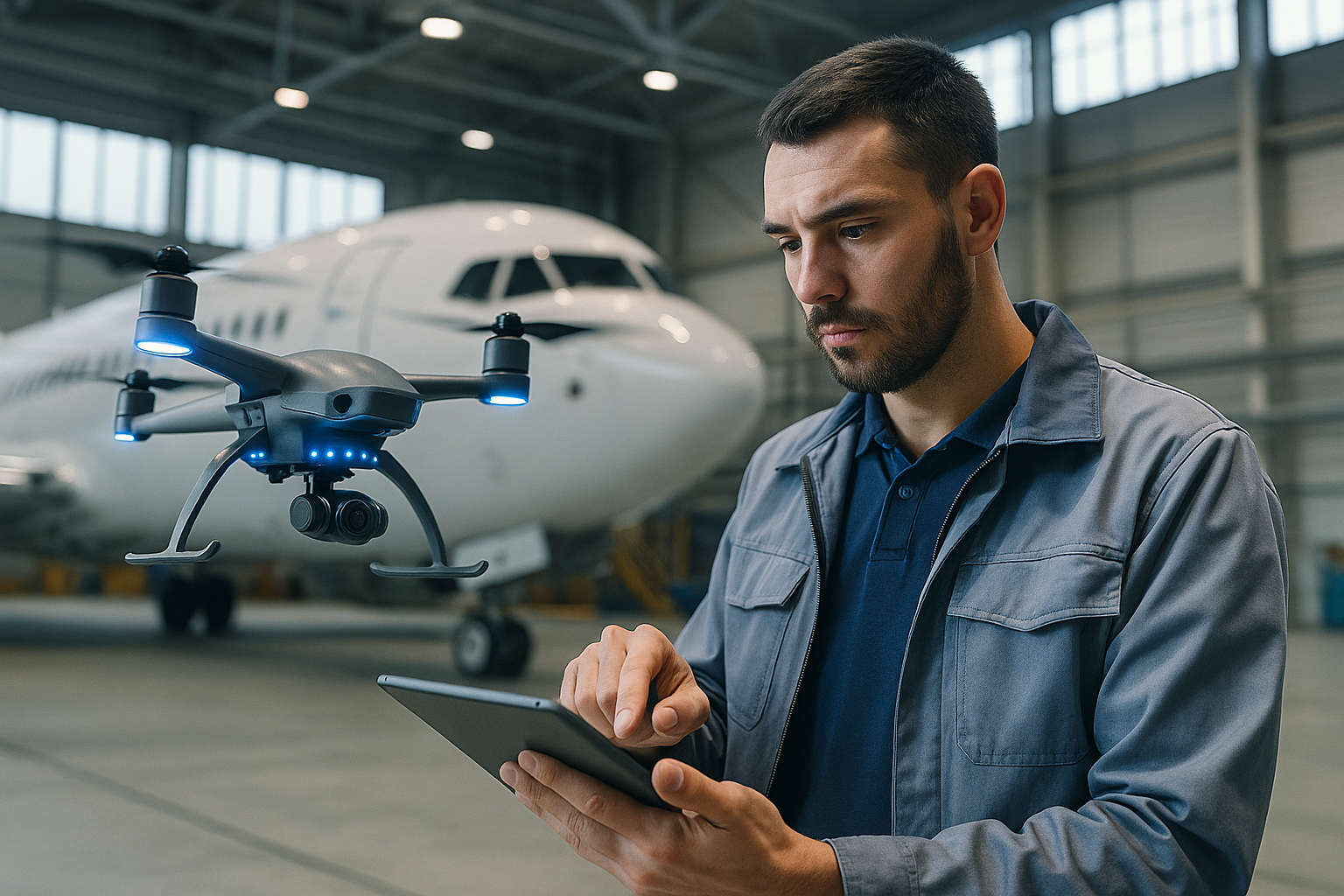
Autonomous aircraft systems specialists work on the parts of an aircraft that make decisions: the sensors that see the world, the software that plans a route and avoids obstacles, and the checks that hand control back to a person when something is wrong. Today most of this work is on drones and uncrewed test aircraft. Proving the systems are safe enough to certify is as much of the job as building them.
Why is this a future career?
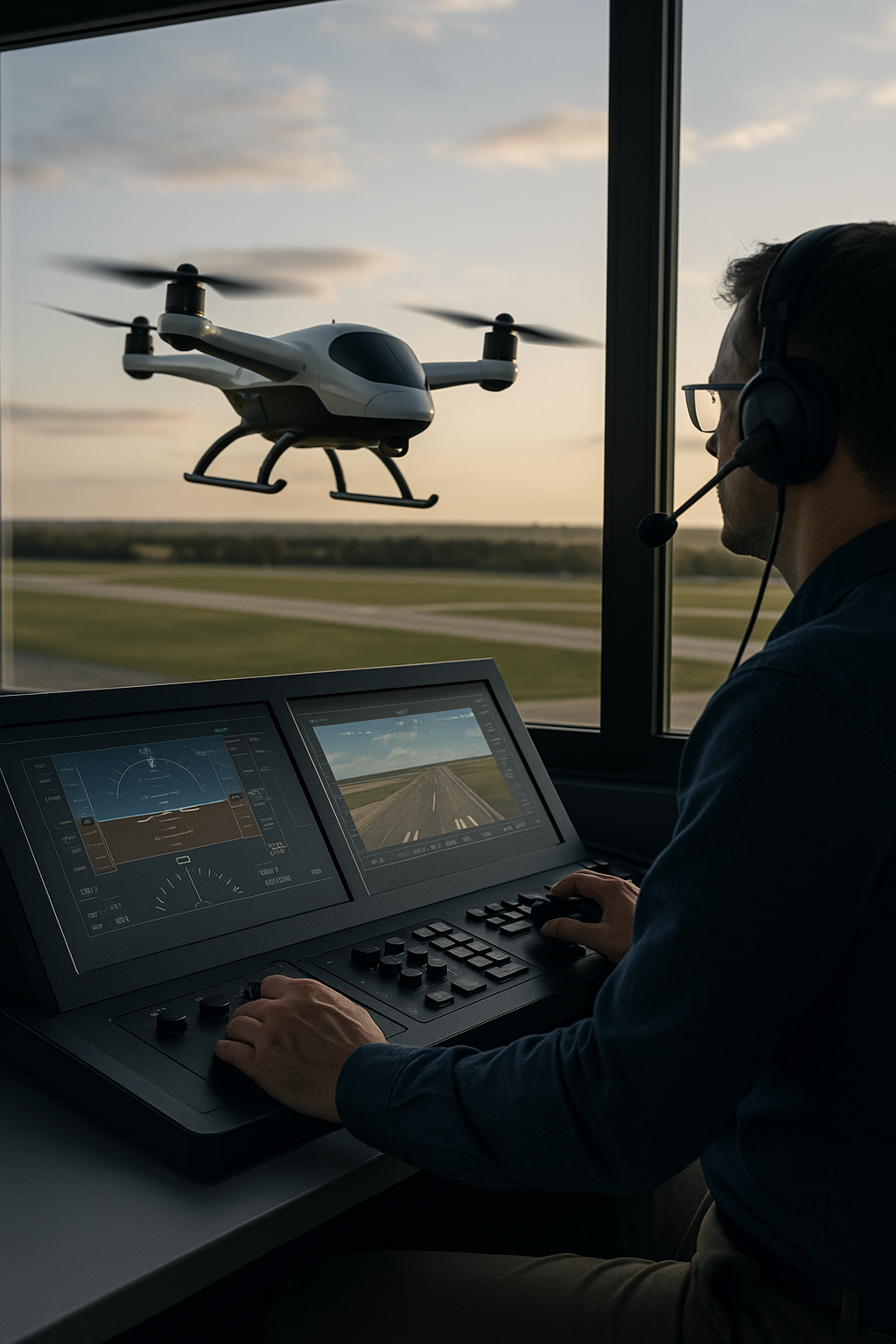
In development, not yet in service (autumn 2026). Drones already fly without a pilot on board, within strict limits set by the Civil Aviation Authority. Passenger aircraft still need a crew, and the rules that would allow anything else are still being written in the UK and Europe. The engineers who can show that an autonomous system is safe, and explain why to a regulator, will decide how quickly that changes.
Skills for this career
Related Technologies of the 4IR
Autonomous Vehicles

Artificial Intelligence

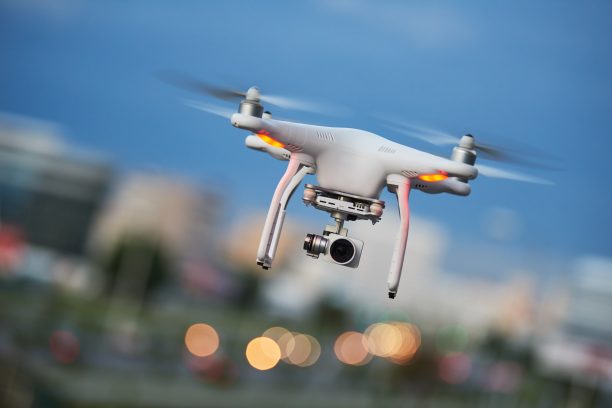
Drones
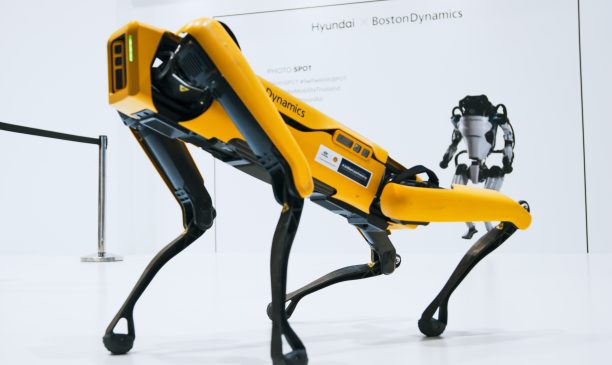
Robotics
Cloud Computing and Edge Computing

Where to start
Maths, physics and computing are the subjects that matter most. Routes in include an engineering apprenticeship with an aircraft or drone company, or a degree in aerospace, electronic or software engineering.