


Future Propulsion
Almost every aircraft flying today runs on jet fuel, and replacing it is one of the hardest problems in engineering. This theme looks at the three tracks running in parallel: far more efficient jet engines, electric flight starting small, and hydrogen aircraft that could change what an airliner looks like.
Why this matters
Aviation’s route to net zero runs through its engines. Sustainable fuel will carry much of the effort over the next two decades, but the bigger prize is propulsion that burns less fuel, or none at all. The obstacle is physics: jet fuel is compact, light for the energy it carries and easy to store, and nothing yet matches that combination on an aircraft.
So the industry is working on three fronts at once. Jet engines are being redesigned around gearboxes and much larger fans. Electric aircraft are already flying, starting with two-seat trainers. And hydrogen is being engineered into tanks, turbines and fuel cells for the airliners of the 2030s and beyond. None of it is finished, and some timelines have slipped while the supply of green hydrogen catches up. The engineers who will see these aircraft into service are in school today.
Next-generation designs target more than 20% less fuel than today's best engines.
Certified electric aircraft are flying now, starting with two-seat trainers.
UK programmes are building the fuel systems and test facilities hydrogen flight will need.

Three times the energy
Liquid hydrogen holds around three times the energy of jet fuel per kilogram, and around sixty times the energy of a battery. That comparison explains why electric flight starts small, and why hydrogen is worth the effort. Source: Aerospace Technology Institute, FlyZero.

Over 20% less fuel
The target for the open fan engine being developed through the RISE programme, which removes the casing so the fan can be far larger. Around 500 test campaigns have run since 2021. Source: CFM International.

Certified in 2020
The two-seat Velis Electro became the world’s first fully electric aircraft to receive type certification, and was cleared for UK use in 2022. Flying schools already use it to train new pilots. Source: EASA / UK Civil Aviation Authority.

£69 million
Cranfield University’s CH2i project is creating the first large-scale hydrogen research hub at any UK airport, with new laboratories and test facilities opening across 2025 and 2026. Source: Cranfield University.

Four areas shaping future propulsion
No single technology replaces jet fuel. Together these four areas decide what flies next.
Squeezing more from the jet engine
Gearboxes let fans spin more slowly and grow larger, and open fan designs remove the casing altogether. A few per cent saved on every flight adds up across thousands of aircraft.
Electric flight starts small
Batteries are heavy for the energy they hold, so electric aircraft begin with two-seat trainers and short flights. As batteries improve, range and passenger numbers can grow with them.
Hydrogen, two ways
Hydrogen can be burned in a modified jet engine or fed to fuel cells, with water as the exhaust. The catch is storage: liquid hydrogen needs minus 253 degrees Celsius and around four times the space of jet fuel.
Proving it safe
No engine carries passengers until it has been tested to its limits and certified. In 2026 the FAA published its first certification conditions for a hydrogen-electric aircraft engine. Writing those rules is a career in itself.


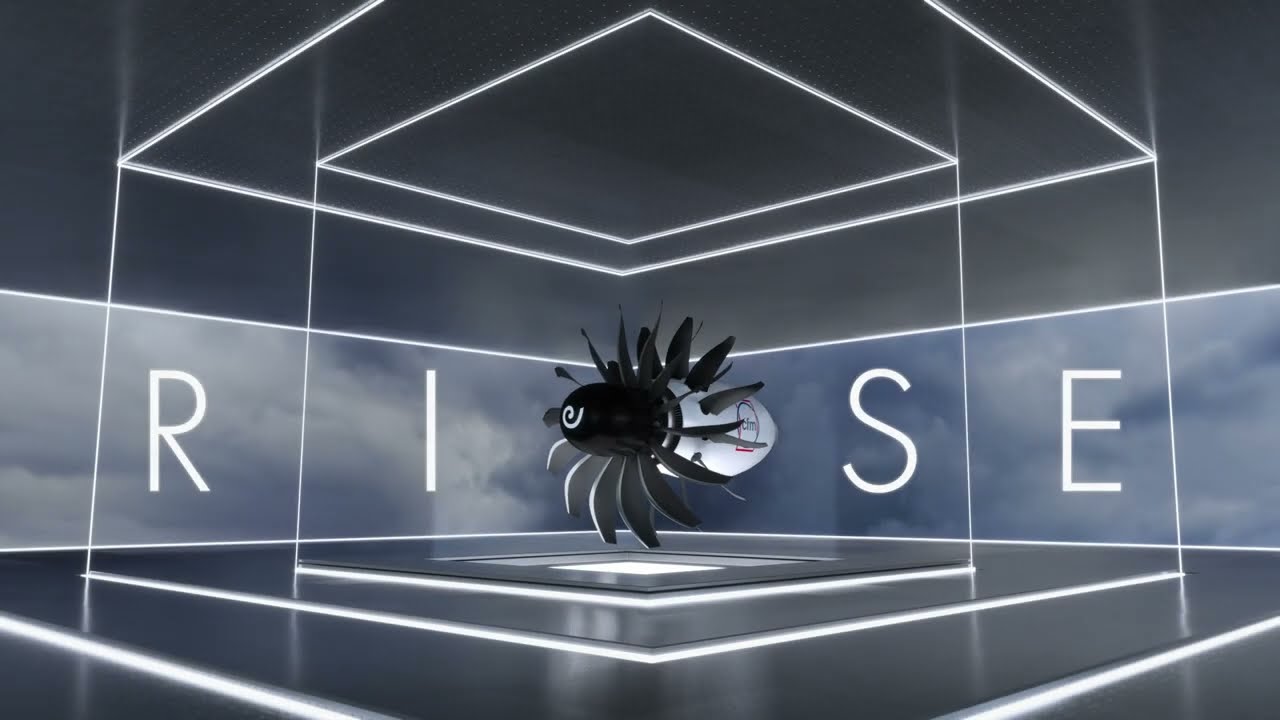
The open fan, up close
Close look at the open fan engine in development through the RISE programme, and why removing the casing around the fan could cut fuel use by more than 20%.

More themes to explore
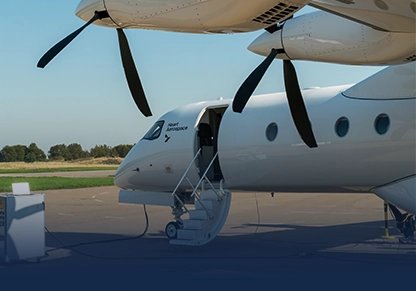
Sustainable Flight
How flying gets to net zero: new fuels, new aircraft and smarter operations, and the people making it happen.
Explore theme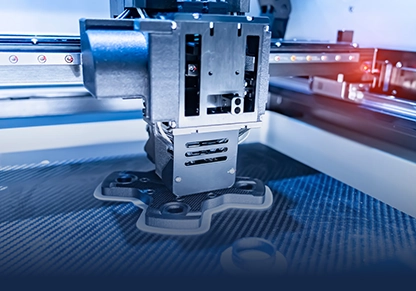
Advanced Materials and Manufacturing
Carbon fibre, 3D printing and robot-built wings: how aircraft are made lighter, stronger and faster to build.
Explore theme
Digital Aviation and Simulation
Aircraft designed in software and pilots trained in simulators: the digital work behind everything that flies.
Explore theme
Industry leading the work

GKN Aerospace

Hybrid Air Vehicles

Read more about future propulsion