

Digital Aviation and Simulation
Before a new aircraft flies, it has already flown thousands of times inside a computer. Before a pilot touches a real flight deck, they have mastered it in a simulator. This theme looks at the digital side of aerospace: design, simulation and training, and the careers built on all three.
Why this matters
Modern aerospace runs on simulation. Aircraft are designed and test-flown in software long before metal is cut; the Boeing 777 proved the idea back in 1995 as the first airliner designed entirely on computer. Pilots train the same way. A Level D full flight simulator moves, sounds and behaves so much like the real aircraft that an experienced pilot can qualify on a new type without leaving the ground, and every airline pilot returns to the simulator around every six months to practise the emergencies no one ever wants to see for real.
Behind every simulator sits a team: software developers, engineers who model how an aircraft behaves, artists who build the visual world outside the windows, and instructors who decide what a pilot practises next. Virtual reality is joining the toolkit, with the first VR training device approved by regulators in 2021. If you have been to an SACP Roadshow, you have already flown this technology: the flight simulators and VR design activities in the breakout sessions run on exactly the ideas this theme covers. The people who will build the next generation of digital worlds, and train in them, are in school now.
Simulators let pilots rehearse emergencies no one would ever try in a real aircraft.
New aircraft fly thousands of times in software before anything is built.
Flight simulators and VR design are part of the SACP breakout sessions.

Zero flight time
Level D full flight simulators are so accurate that an experienced airline pilot can qualify on a new aircraft type entirely in the simulator. The first time they fly the real thing, it can be with passengers on board. Source: Airbus.

1995
The year the Boeing 777 entered service as the first airliner to be 100% digitally designed and preassembled on computer, with no full-scale physical mock-up. New aircraft have started life on screen ever since. Source: Boeing.

2021
The year Europe’s aviation safety regulator qualified the first virtual reality flight training device, letting helicopter pilots practise risky manoeuvres in a headset, with the hours counting towards their licence. Source: European Union Aviation Safety Agency.

1.5 million
The number of new aviation professionals the world needs by 2034, including 300,000 pilots and 416,000 maintenance technicians. Most of them will do much of their training in simulators. Source: CAE.

Four ways aerospace went digital.
Four areas of digital work, and each one is a career in its own right.
Learning to fly on the ground
A full flight simulator is a working replica of a real flight deck on a full motion platform, checked and certified by aviation regulators. Airlines use them at every stage of a pilot's career, from the first type rating to the emergency drills that come round every six months.
Aircraft born on screens
Engineers design, assemble and test aircraft in software before anything physical exists, catching problems while they are still cheap to fix. The digital model lives on after the real aircraft enters service, helping engineers understand it throughout its life.
Training moves into the headset
Virtual reality puts a full-scale cockpit or cabin anywhere there is room for a chair, at a fraction of a full simulator's cost. Regulators approved the first VR flight training device in 2021, and engineers and cabin crew now train this way too.
Flying data network
Modern aircraft are wrapped in antennas, sensors and communication systems, streaming information between crew, controllers and engineers on the ground. Designing and testing that equipment is a specialism of its own, and part of what keeps every flight safe.


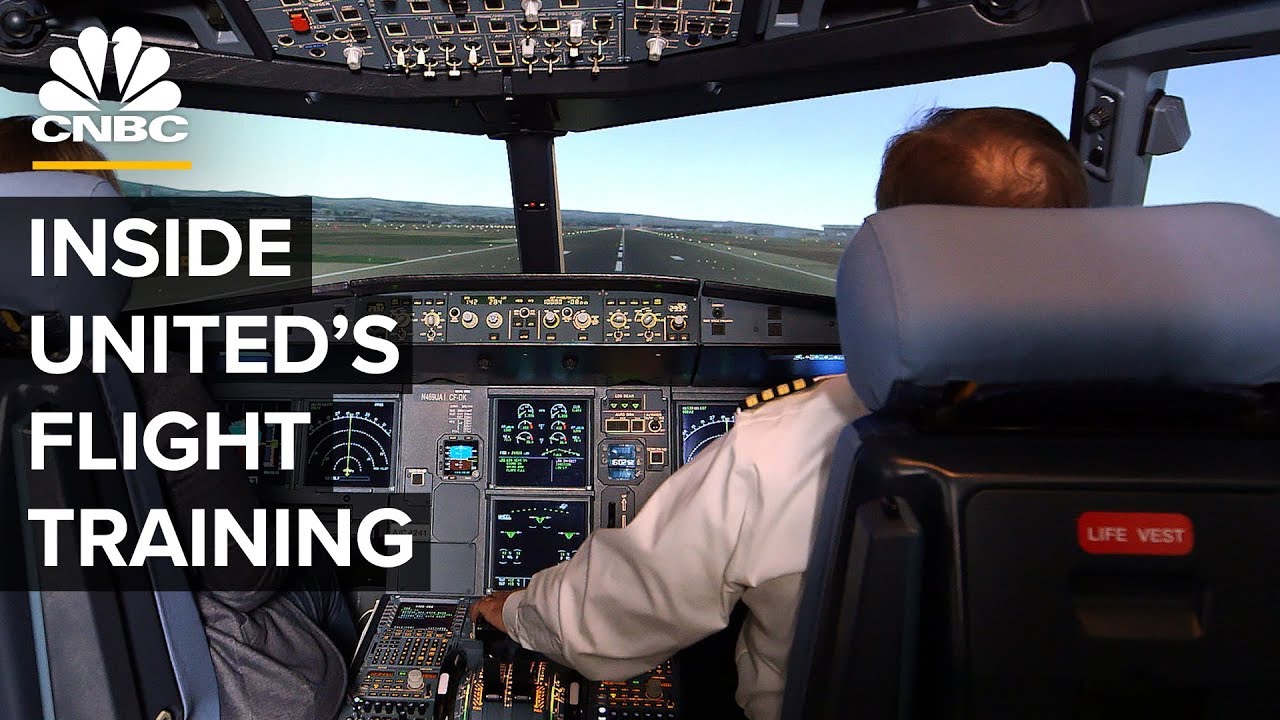
How airline pilots really train
CNBC goes inside United Airlines’ training centre in Denver, one of the largest anywhere, where pilots learn and re-learn their craft in full motion simulators.

More themes to explore
Future Propulsion
Hydrogen, electric flight and radical new engine designs, and what it takes to prove they are safe to fly.
Explore theme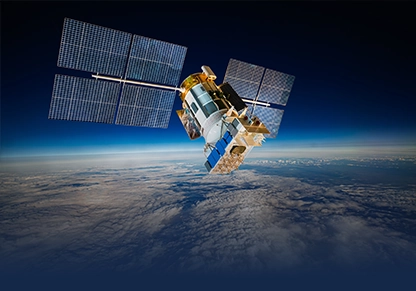
Space and Satellites
The satellites behind daily life, the UK teams that build them, and the spaceports preparing to launch from home soil.
Explore theme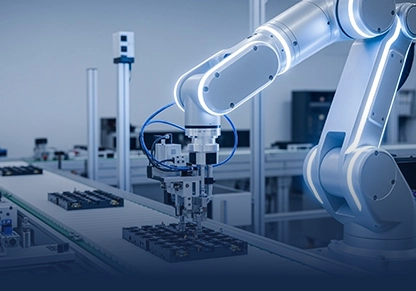
Autonomy, Drones and Robotics
Aircraft with no one on board, robots that walk into danger, and the people behind every uncrewed machine
Explore theme
Industry leading the work

VRpilot

Chelton

Halldale Group
Read more about digital aviation and simulation