

Autonomy, Drones and Robotics
Aircraft with no one on board already inspect power lines, carry blood samples across London and fly missions for the RAF. This theme looks at how drones, autonomous aircraft and robots really work, who stands behind them, and why every uncrewed machine still depends on people.
Why this matters
Take the pilot out of the aircraft and you change almost everything about how it is designed, flown and kept safe. Drones already do useful jobs across the UK: inspecting power lines and railways, surveying crops, filming events, and carrying urgent blood samples between London hospitals in minutes. On the ground, robots take on work that is dull, dirty or dangerous for people. None of it is science fiction; most of it is quietly practical.
The word uncrewed is misleading, because these machines are surrounded by people: remote pilots, software engineers, safety specialists, and the regulators who decide what may fly where. The UK is deeply involved, from the test ranges where new systems prove themselves to the rules the Civil Aviation Authority writes for everyone else to follow. If you have been to an SACP Roadshow you have already met this theme, on the drone simulators in the breakout sessions and in Spot, the Boston Dynamics robot, during the presentation. The people who will fly, build and certify what comes next are in school today.
Drones inspect power lines, survey crops and carry medical samples across UK cities.
Every uncrewed aircraft depends on pilots, engineers and safety specialists on the ground.
Drone simulators are part of the SACP Roadshow breakout sessions.

£45 billion
The amount drones could add to the UK economy by 2030, with more than 900,000 drones at work in UK skies, according to a study for government. From farming to filming, the growth is in useful, everyday jobs. Source: PwC.

Under two minutes
The time it takes a drone to carry an urgent blood sample between Guy’s and St Thomas’ hospitals in London, a trip of more than half an hour by road. NHS drone routes are now spreading across the capital. Source: Guy’s and St Thomas’ NHS Foundation Trust.

First of its kind
In April 2025 the RAF’s Protector became the first large uncrewed aircraft certified to fly without geographic restrictions, including over populated areas of the UK. It can stay airborne for more than 30 hours, flown remotely from RAF Waddington. Source: Royal Air Force.

1,000+ robots
Spot, the four-legged robot, works in more than 35 countries, inspecting power stations, patrolling factories and checking radiation levels at Chernobyl, taking on inspections too hazardous or repetitive for people. Source: Boston Dynamics.
Four ways machines are learning to move.
Four connected areas of work, and people are needed in all of them.
Aircraft with the pilot on the ground
A drone is not pilotless; the pilot is simply somewhere else. Remote pilots plan flights, watch the airspace and make the decisions, whether the aircraft weighs 250 grams or stays up for 30 hours at a time.
Teaching machines to decide
Autonomy means a machine handling some decisions itself: holding position in wind, following a route, avoiding an obstacle. The hard part is proving it will always behave safely, which makes this as much a testing challenge as a software one.
Robots on the ground
Quadruped robots such as Spot go where wheels cannot: stairs, rubble, cluttered factory floors. They carry cameras and sensors into places people should not have to go, from gas leaks to radiation zones.
Making room in the airspace
Everything that flies over the UK shares the sky, so the Civil Aviation Authority sets the rules: who must register, where drones may go, and how far they may fly from their pilot. Writing and enforcing those rules is a career in itself.


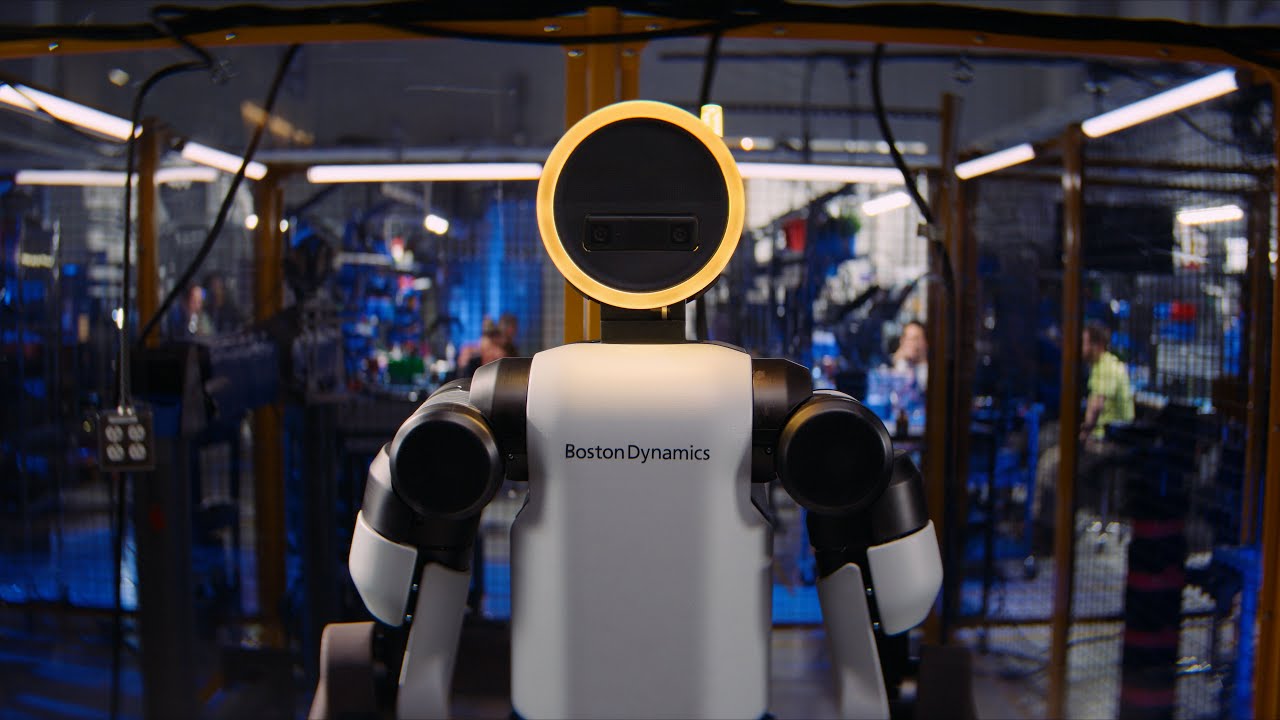
Meet Atlas, the humanoid robot
Boston Dynamics’ official launch film for the production Atlas, released January 2026.

More themes to explore
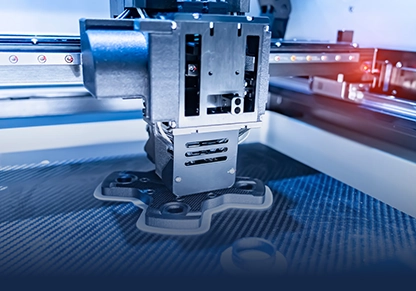
Advanced Materials and Manufacturing
Carbon fibre, 3D printing and robot-built wings: how aircraft are made lighter, stronger and faster to build.
Explore theme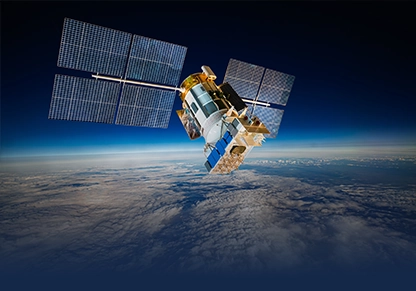
Space and Satellites
The satellites behind daily life, the UK teams that build them, and the spaceports preparing to launch from home soil.
Explore theme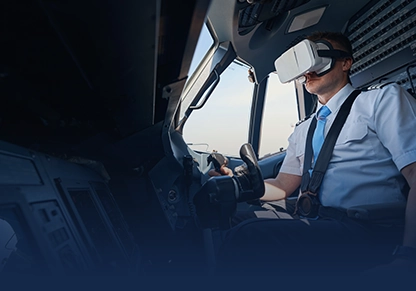
Digital Aviation and Simulation
Aircraft designed in software and pilots trained in simulators: the digital work behind everything that flies.
Explore theme
Industry leading the work

Boston Dynamics

QinetiQ

Airborne Platforms UK
Take this theme further